Many sellers face sudden declines in product visibility, as reports show that automated detection can lead to the immediate removal of listings without prior notification. To sustain a healthy seller account on Amazon, effective management and optimization strategies are essential in minimizing the risks associated with title suppression.
This article delves into the mechanics of Amazon’s suppression bots and offers actionable strategies for sellers to navigate this intricate challenge. We will discuss compliance checks, effective language use, listing audits, and how tools can help mitigate risks related to title suppression.
Understanding Amazon Title Suppression Bots
What Amazon Title Suppression Bots Do (and Why They Matter)
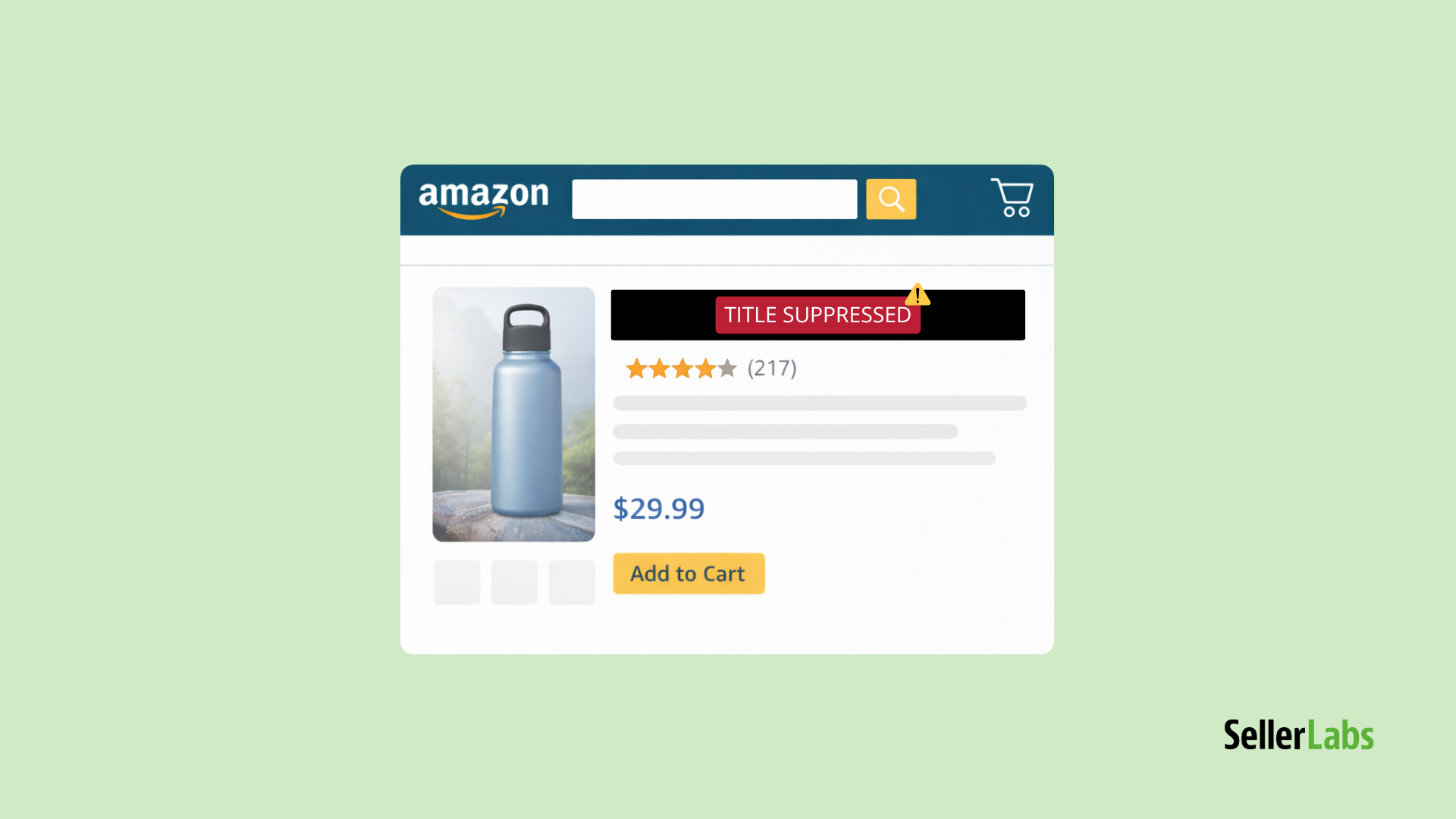
Title suppression bots play a crucial role in Amazon’s automated compliance system, constantly scanning product titles, descriptions, bullet points, and images. Their main goal is to identify any violations—such as prohibited claims or misleading language—that could compromise consumer safety or violate Amazon’s policies. These bots are the guardians of marketplace integrity, ensuring compliance across millions of listings.
In 2026, enforcement has become more stringent, utilizing advanced AI models that conduct not only keyword detection but also semantic analysis to evaluate the overall quality of listings. Consequently, even minimal infractions can trigger suppression. For sellers, this landscape necessitates continuous awareness of policy updates and best practices.
Top Compliance Triggers That Cause Amazon Title Suppression
- Prohibited Claims: Using terms like “cures,” “miracle,” or certain guarantees such as “#1” or “top-rated” can immediately alert the bots. Such language is considered misleading and unprovable, often leading to instant suppression.
- Factual Accuracy: All claims must be based on factual accuracy. For instance, stating that a product “supports lumbar spine health” is acceptable, whereas claiming it “cures back pain” is not.
- Keyword Stuffing: Engaging in practices like excessive keyword inclusion or repeated keywords in titles and backend entries can negatively impact listings, resulting in lowered visibility or complete suppression.
- Image Compliance: Images with text overlays asserting safety or efficacy may also incur automated penalties. Compliance needs to encompass both written content and visual elements.
How Amazon Title Suppression Happens (What Sellers See)
When Amazon detects an infraction, it may suppress how your title displays, reduce search visibility, or limit how the listing appears to shoppers—while the ASIN still exists in your catalog. This situation requires immediate action from sellers to identify and rectify any offending terms, as well as to appeal through Seller Central. Recurring infractions may carry more severe consequences, potentially leading to account suspension.
Recent data suggests that automation can create implications faster than sellers can resolve them, making proactive strategies essential.
How to Prevent Amazon Title Suppression (Best Practices for 2026)
Stay Current on Amazon Policy Updates
Sellers should regularly review Amazon’s Prohibited Product Claims policy and any updates to maintain compliance. Familiarizing themselves with the latest bans enables sellers to craft compliant listings proactively.
Use Policy-Safe Language That Builds Buyer Trust
Using factual language in product descriptions helps maintain compliance and enhances customer trust. Highlighting benefits backed by evidence rather than exaggerations promotes compliance.
Example: Rather than saying, “Our supplement cures headaches,” a more appropriate phrasing would be, “Our supplement supports the reduction of headaches.”
Audit Listings Before Amazon Flags Them
Sellers should establish regular audits of their listings, ideally on a quarterly basis, utilizing third-party tools such as Helium 10 or Jungle Scout. These tools can help identify problematic keywords or phrases before suppression occurs.
Time Required: 3-5 hours per quarter for a full audit of 100 listings.
Write for Amazon’s AI Systems (Without Keyword Stuffing)
Understanding how Amazon’s algorithms, such as Rufus, operate can improve compliance. The algorithm favors high-quality content that straightforwardly informs potential buyers without exaggeration.
Avoid keyword stuffing, as this approach may backfire and limit visibility.
3-Week Implementation Plan to Reduce Suppression Risk
To effectively manage the risks associated with title suppression, sellers should adhere to a clear implementation timeline:
Week 1: Audit Current Listings
- Activities: Utilize tools to scan for potential keywords that may lead to suppression; audit 50 listings.
- Time Required: 4 hours
- Expected Outcome: Establish a baseline compliance status and identify immediate issues.
Week 2: Revise Listings
- Activities: Rewrite titles and descriptions of flagged products to ensure alignment with Amazon’s guidelines.
- Time Required: 6 hours
- Expected Outcome: Revisions that meet compliance standards will minimize the risk of suppression.
Week 3: Monitor for Changes
- Activities: Analyze sales and visibility data to gauge the impact of adjustments.
- Time Required: 2 hours
- Expected Outcome: Gain insights into the effectiveness of changes made and flag any emerging issues.
Total Time Investment: 12 hours over 3 weeks.
Decision Framework: What to Fix First (and When to Act Fast)
When dealing with compliance and optimizing for reduced risk of title suppression, sellers can leverage the following decision framework:
- If your current listing shows visible sales but frequently triggers keyword alerts, then prioritize revising titles to remove potential compliance issues. (Time: 2-4 hours)
- If your brand is expanding and has diverse products, then set up a quarterly review schedule for all listings to maintain proactive compliance. (Time: 5 hours quarterly)
- If automated flagging occurs, then immediately change flagged terms and conduct a review of the related content. (Time: 1 hour per incident)
FAQs About Amazon Title Suppression
Amazon title suppression typically occurs due to the presence of prohibited terms, unverified claims, or keyword stuffing. Violating these rules often leads to immediate suppression of listings, necessitating seller appeals via Seller Central.
Regular audits using tools like Helium 10 or Jungle Scout can evaluate compliance with Amazon’s policies. Additionally, reviewing Amazon’s Prohibited Product Claims policy provides valuable guidance.
After addressing the necessary issues and submitting an appeal through Seller Central, listings are usually restored within 24 to 72 hours, depending on Amazon’s review speed.
Absolutely, images with text overlays or misleading claims can trigger suppression. Sellers must ensure that all visual content adheres to Amazon’s standards.
Multiple incidents of title suppression can lead to more severe penalties, such as account suspension. Thus, proactive listing management is essential.
Final Takeaway: Prevent Title Suppression Without Losing Conversions
Successfully navigating the complexities of Amazon title suppression bots in 2026 demands vigilance and strategic efforts. By implementing compliance-oriented strategies, conducting regular audits, and leveraging third-party tools, sellers can significantly reduce risks. This proactive approach can lead to quicker correction times, enhanced visibility in search results, and fewer account-related challenges. Keeping informed about updates to Amazon’s policies will equip sellers with the essential knowledge needed to excel in this competitive environment.
By adopting these practices, sellers not only safeguard their listings but also improve the overall quality of their Amazon businesses. The expected outcome from diligent compliance management is a stronger market presence and sustainable sales growth.
Want to protect your profits when Amazon changes impact performance?
Title suppression can hit sales fast — and when revenue dips, your margins matter even more.
For a limited time, get 30% off your first month — after your 30-day free trial.
Related Blogs
- Amazon Buyer-Seller Messaging Suspension: How to Address & Prevent It
Find out what triggers messaging suspensions and how to safeguard your account health. - Reduce Amazon Returns
Discover strategies to lower return rates, improve customer experience, and protect your sales. - Seller Feedback vs Product Reviews
Learn the difference between seller feedback and product reviews, and why both matter for account trust and conversion. - Amazon Brand Registry Requirements
Explore Brand Registry requirements and how it helps protect your brand and listings. - Amazon Hijackers Are Killing Your Sales — Here’s How Transparency Stops Them
See how Transparency can stop listing hijackers and protect your customer experience. - Amazon SEO: How to Optimize Your Product Listings for Higher Rankings & Sales
Boost visibility and sales with optimized product listings that align with Amazon’s ranking factors.